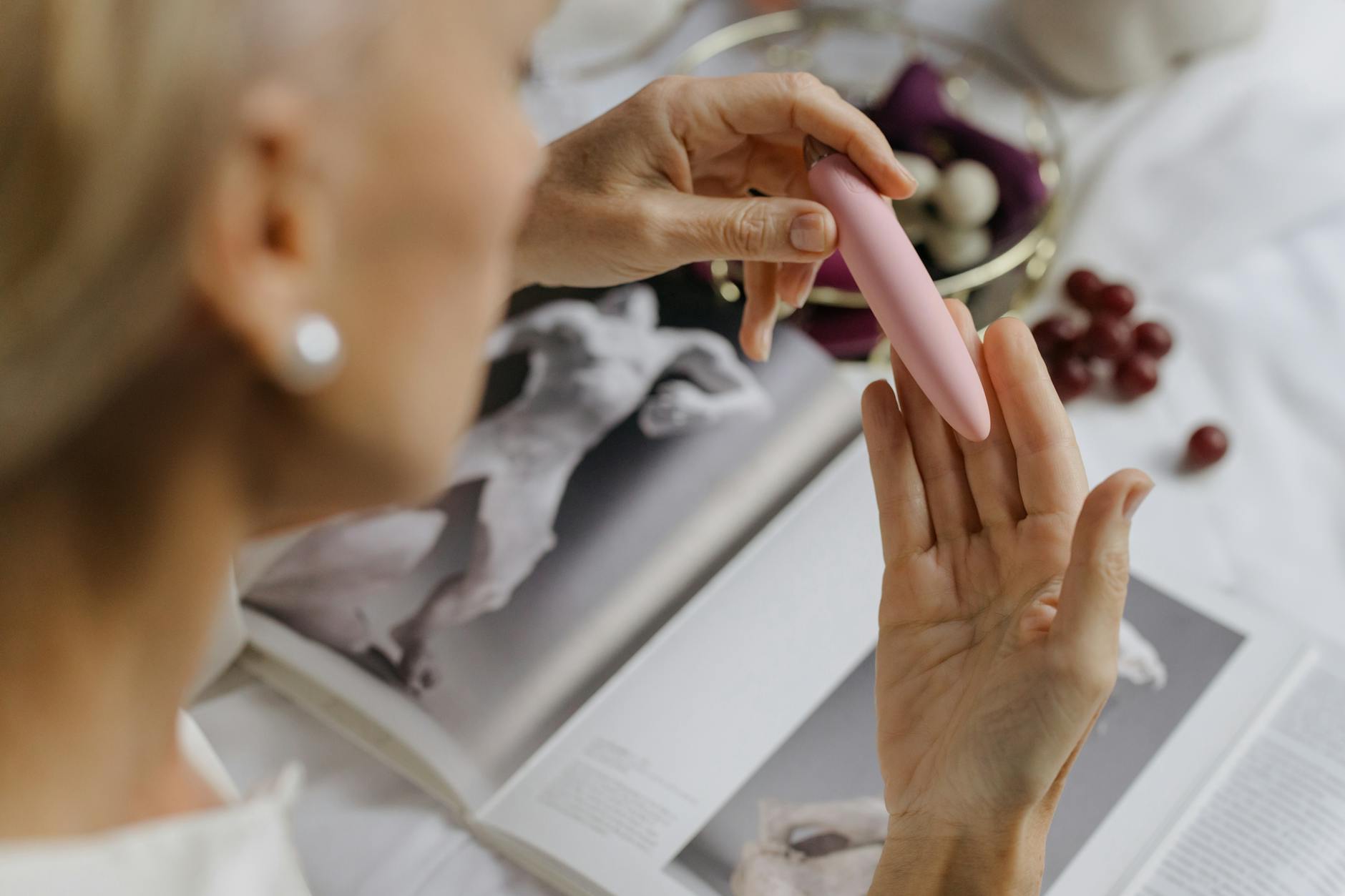
Let's be real about dryness and pleasure
Vaginal dryness is awkward to talk about, so most people don't. They just stop trying. That's the trap. Dryness changes the sensation during sex, yes. It makes some types of penetration uncomfortable, absolutely. But clitoral pleasure? That works differently, and that's where a lemon vibrator actually shines.
Here's what I see in practice: people assume dryness means "I can't enjoy sex anymore." What they actually mean is "I can't enjoy the sex I used to have." Those are two completely different problems. One requires lubricant and patience. The other requires permission to explore what works now.
Why dryness happens and what it actually affects
Dryness isn't one thing. It shows up after hormonal shifts (menopause, birth control changes, breastfeeding), during stress or depression, from certain medications (antihistamines, some SSRIs), or just as part of aging. The tissue lining the vagina gets thinner and produces less natural lubrication. This matters enormously for penetrative sex. It matters way less for clitoral work.
Here's the distinction that changes everything: the clitoris doesn't require lubrication to feel pleasure. It has its own nerve density and blood flow. When you use a device like the Lem, you're stimulating those nerves through gentle suction, not friction. That mechanism works beautifully even when dryness is present.
What dryness does affect is comfort during foreplay, the feeling of being touched on the vaginal opening, and (sometimes) how quickly arousal builds overall. None of that is permanent. All of it is manageable.
The lube conversation: what actually helps
If penetration is part of your pleasure, you need lubricant. There's no way around this, and honestly, you probably needed it before dryness anyway. Most people do.
Water-based lubes work best with silicone toys like the Lem vibrator. They feel lighter and absorb into the skin, which many people prefer. Silicone lubes feel richer and last longer, but they can degrade silicone toys over time. Avoid oil-based lubes entirely. They damage latex, silicone, and can cause infections.
But here's the thing: when you're using a clitoral vibrator solo or with a partner focusing on external stimulation, you don't need much lube at all. A small amount around the clitoris helps the suction sit properly, but the device itself creates its own stimulation. You're not rubbing, so you're not creating friction that requires slipping.
How to set up for success with a lemon vibrator and dryness
Four practical moves that make a real difference:
Start with arousal, not stimulation. Dryness often means arousal takes longer to build. Your brain and body need time to catch up. Spend 10-15 minutes on what turns you on mentally. Read something, watch something, or have your partner touch you in ways that feel good but aren't explicitly sexual. This kickstarts your own lubrication and gets blood flowing to the tissue. It's not wasted time. It's essential setup.
Use a tiny bit of lube as a glide. A dime-sized amount of water-based lubricant on your fingers helps you find the angle where the Lem feels best. Run your fingers around the clitoris first, warming the tissue and spreading a small amount of lube. This takes pressure off immediately and makes the first contact with the vibrator feel smoother.
Warm up the toy. A cold silicone vibrator against already-sensitive tissue can feel jarring. Hold it in your hands for 30 seconds or run it under warm water. This small step changes how the initial sensation registers.
Start on lower intensities. The Lem has multiple patterns and speeds. Begin on pattern 1 or 2, not strength. Let your body acclimate to the sensation. You can always turn it up. You can't take back going too hard too fast on tissue that's already tender.
Why dryness sometimes actually improves sensation
This part sounds counterintuitive, but I hear it enough from clients that it's worth naming. Some people report that when they stop fighting dryness and instead work with it, their orgasms feel more localized and intense.
When there's less lubrication, the vibration doesn't dissipate as much. The stimulation feels more concentrated on the nerve endings. For some people, this is better. For others, dryness still just feels uncomfortable, and that's valid too.
The key is experimenting with what your body actually likes now, not what it liked before. That's not giving up. That's adapting. And adaptation usually leads to pleasure that's deeper than before because it's actually tailored to how you are now.
The role of partner touch when dryness is present
If you have a partner, dryness changes that conversation. Their hands, fingers, or any internal contact now requires deliberate lubrication. That's not shameful. That's information. Some partners feel hurt by this change. Others feel relieved to have explicit permission to use lube and stop worrying about "enough" natural lubrication.
The real move is separating the two experiences. If your partner is touching you internally, lubricate that generously. If they're touching your clitoris externally while you use the Lem, that's foreplay that doesn't require much lubrication at all.
Many couples find that dryness actually improves their dynamic because it forces them to slow down, communicate about what's working, and rebuild touch as intentional rather than automatic. It sounds small. It's actually huge.
When to bring in medical help
If dryness comes with pain that doesn't improve with lube and time, or if it showed up suddenly alongside other symptoms, talk to a doctor. Genitourinary syndrome of menopause (GSM) is real and treatable. So are vaginal infections, thyroid issues, and medication side effects. None of these are embarrassing. All of them are fixable.
Topical estrogen creams work for hormone-related dryness and have minimal systemic absorption. Vaginal moisturizers (not lubricants) help if you're dry all the time, not just during sex. Your doctor can also discuss whether your current medications are contributing. Sometimes a small change there makes a massive difference.
Don't tough this out. You deserve pleasure that feels good, not pleasure that requires gritting your teeth.
The mental piece: letting go of how sex "should" feel
This is the part I see get in the way more than the dryness itself. You have a body memory of what pleasure felt like before. Now it feels different. The temptation is to assume different means worse.
Sometimes it is worse. Sometimes it's just different. And sometimes, once you stop comparing and start paying attention to what's actually happening right now, it's better.
One client told me that dryness forced her to slow down and actually feel her partner instead of chasing the physical sensation. Another said that using a lemon clitoral vibrator solo gave her permission to explore what she actually wanted instead of what she thought she should want.
Dryness is friction. It's not failure. You're not broken. Your body is just telling you something changed and wants a different approach.
People also ask
Can I use a clitoral vibrator if I have severe vaginal dryness?
Yes. A lemon vibrator works on the clitoris, which doesn't require lubrication the way internal tissue does. You may need a small amount of water-based lube to help the suction sit properly, but clitoral stimulation is one of the safest and most reliable ways to have pleasure when dryness is present. The external focus means no friction on sensitive tissue.
Does lubricant reduce the sensation from a lemon vibrator?
Not significantly. A small amount of lube helps the vibrator create a better seal and actually improves comfort. Too much lube can reduce sensation slightly, but "too much" is usually more than you'd think. Start with a dime-sized amount and add if needed. Most people find that the comfort gain is worth any minor sensation change.
How long does vaginal dryness usually last?
That depends on the cause. Hormone-related dryness (menopause) is often permanent without treatment but becomes stable and manageable within 2-3 years. Medication-related dryness may improve if you switch medications. Stress-related dryness often improves when stress decreases. If dryness showed up suddenly, it's worth investigating with a doctor rather than assuming it's permanent.
Should I use a vibrator if dryness makes sex painful?
Not on the areas that hurt. But clitoral stimulation with a vibrator often feels completely different from penetrative sex. Many people find that when penetration hurts, clitoral pleasure still works fine. If clitoral stimulation itself causes pain, that's a sign to see a healthcare provider. Pain during sexual activity has specific treatable causes.
Can I make my own natural lubrication improve with a lemon vibrator?
Not directly. A vibrator doesn't increase your body's ability to produce lubrication. What it does is concentrate stimulation on the clitoris, which means you need less lubrication overall because there's no friction. Using a vibrator may actually reduce the pressure you feel to produce more lubrication, which can help your body relax and do what it naturally does.
Is water-based lube safe to use with all vibrators?
Yes, water-based lube is safe with silicone, glass, and plastic toys. It's the most versatile option. The only drawback is that it absorbs into the skin faster than silicone lube, so you may need to reapply during longer sessions. That's not a problem. That's just information for planning.
The takeaway
Dryness changes how pleasure feels. It doesn't change your capacity for it. A lemon clitoral vibrator works beautifully when dryness is present because it focuses on a part of your body that doesn't require lubrication to feel amazing. Pair that with a small amount of water-based lube, give yourself time to build arousal, and you have a setup that works.
If you're dealing with dryness and haven't tried a clitoral vibrator yet, this might be the moment. You might also find that once you stop trying to have the sex you used to have and start paying attention to what actually feels good now, pleasure gets richer, not smaller.
Your body isn't broken. It's just telling you something changed. Listen to it. Adjust. Try what works. That's not compromise. That's intelligence.
Want to talk through what might work for your specific situation? Reach out. We're here for that.