
Let's start with the obvious part
Your arousal timeline has changed. Maybe it's recent, maybe it's been creeping up over months. Either way, you've noticed that the things which used to spark instant heat now need actual time to build. Between you and me, this is so common I'd call it normal rather than unusual.
Here's what matters: understanding why this happens changes everything about how you approach it. Because the reflex is to panic and assume something's broken. It's not. Your body is asking for something different.
Why arousal slows down
There are roughly five categories of culprits, and they're not all hormonal.
Stress and cortisol. High stress literally suppresses sexual response. Your nervous system can't simultaneously be in fight-or-flight mode and parasympathetic pleasure mode. If your life is loud right now, your arousal will move slowly. Full stop.
Relationship momentum. Couples who've been together for years often find spontaneous arousal fades and planned arousal takes longer to activate. This is predictable. It's also completely fixable if you're willing to build time into intimacy the way you build time into anything else that matters.
Medication. SSRIs, blood pressure meds, antihistamines, even some birth control formulations can slow arousal. If you started something new in the last 6-12 months and noticed this shift, mention it to your GP. There's often a workaround.
Hormonal changes. Estrogen fluctuations, thyroid shifts, or natural changes with age all slow arousal. It's not dramatic; it's just real. The clitoral tissue becomes less engorged quickly, so mental arousal has to do more work to create physical response.
Mental load. If you're carrying most of the household thinking, the parenting mental load, or emotional labor in your relationship, your sexual brain is often offline. You can't think about desire and grocery lists simultaneously. One usually wins.
The extended warm-up is your friend
Instead of treating slow arousal as a problem to fix, treat it as information. Your body is telling you what it needs.
I recommend shifting your expectations from "ten minutes to orgasm" to "twenty to thirty minutes of total experience." This isn't longer; it's honest. Most people who build real pleasure into their week find they actually prefer longer sessions because it deepens everything.
What to do with that time:
Start with non-genital touch. A massage, kissing, skin-to-skin contact. The goal is to activate your parasympathetic nervous system, the one that handles relaxation and arousal. This takes about ten minutes for most people. No rushing.
Then move into genital touching that isn't about outcome. If you're with a partner, this is partner touch. If you're solo, use your hands first. Let arousal build at whatever pace it builds. Don't force it or judge it.
Only introduce your lemon vibrator once you're already warm. A lemon clitoral vibrator works best when blood is already flowing to the area, tissue is already slightly engorged, and your nervous system is already engaged. Jumping straight to the Lem on a cold start is like trying to run before warming up. It works, but it's not optimal.
How suction changes the extended warm-up game
This is the part that actually matters for your lemon vibrator strategy.
Traditional vibrators need direct mechanical contact and often require building up to higher intensities. If your arousal is slow, this can mean spending fifteen minutes at low speeds before you reach pleasure.
A lemon sucker or suction-based vibrator like the Lem works differently. Instead of relying on friction, it uses gentle suction and air-pulse stimulation. This creates a different type of sensation. Many people find suction-based stimulation builds intensity faster and more consistently, even during slow arousal.
Why? Suction engages nerve endings in a pattern that creates a longer arc of sensation. Instead of needing to feel your way toward pleasure, you get placed into a pleasure pattern immediately. The Lem's design means you can start at pattern one and the sensation is already genuinely pleasurable, unlike some vibrators that feel useless at low speeds.
This changes the math on your extended warm-up. Instead of needing thirty to forty minutes total, you might need twenty. The lemon vibrator shortens the gap without rushing you.
The practical protocol for slow arousal
Here's what I recommend to clients experiencing slow arousal buildup.
Fifteen minutes: non-genital connection. Massage, kissing, cuddling, talking. No goal. This is parasympathetic activation.
Five to ten minutes: manual genital touch (yours or your partner's). Low pressure, exploratory. No speed, no patterns. Just engagement.
Introduce your lemon vibrator at pattern one or two. Don't skip to pattern three. The Lem is designed so that even the lowest settings feel genuinely good. Stay there for as long as it feels good. Five minutes, ten minutes, whatever.
Once pleasure is obvious, you can explore higher patterns. But many people find they don't need to. A sustained low-to-medium intensity often creates deeper arousal and better orgasms than quick escalation.
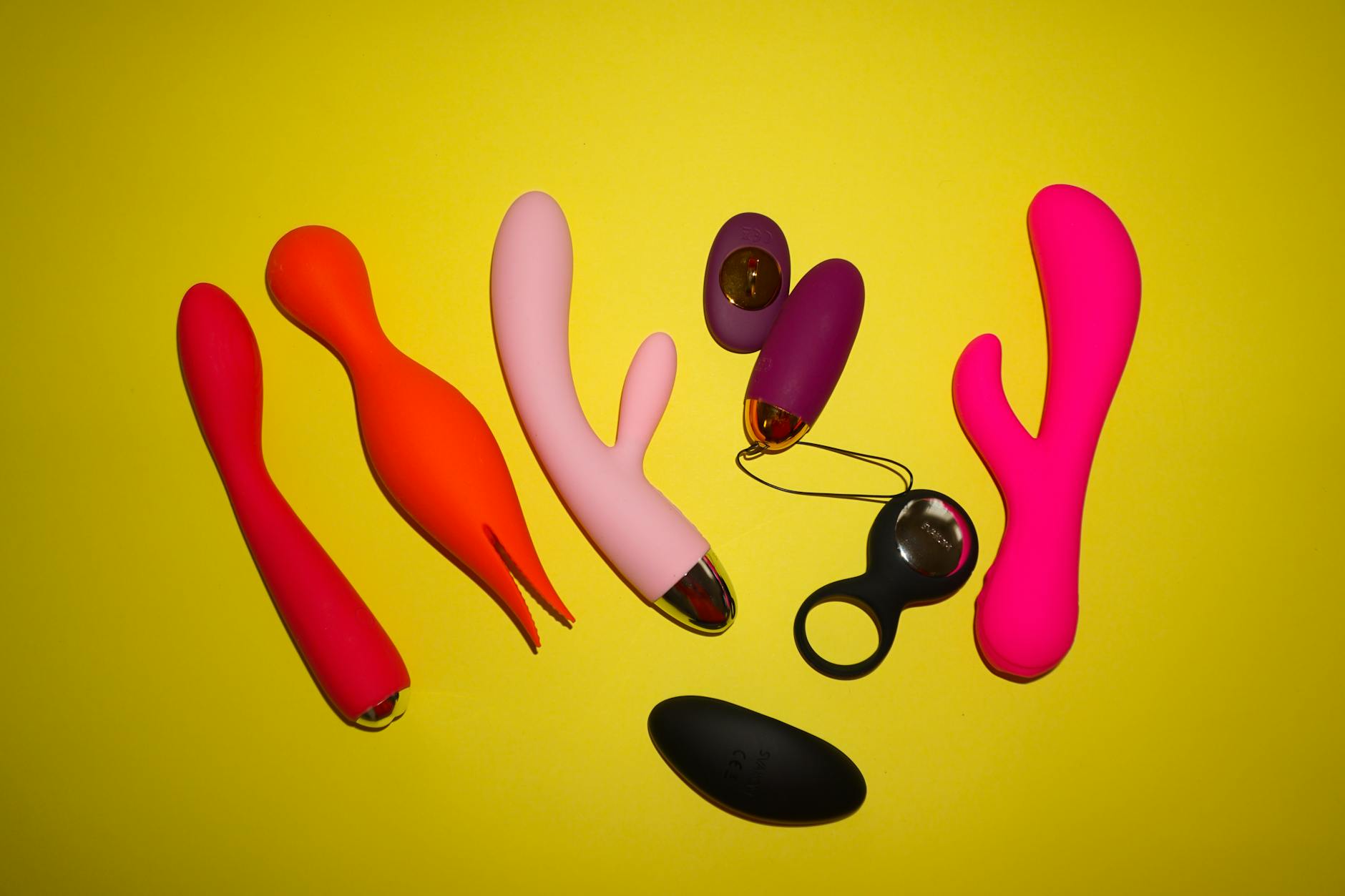
Photo by FounderTips on Pexels
Why you might actually prefer the longer timeline
Here's something I notice clinically: people who start with slow arousal and lean into it often report better orgasms than they had before. Not because of anything magical. Because sustained pleasure is different from rushed pleasure.
When you spend time in that extended warm-up zone, your arousal stabilizes. You're not frantically chasing sensation. You're inhabiting it. The orgasm that follows tends to be deeper and more full-body.
If you're with a partner, this also solves synchronization problems. If one of you has always needed longer warm-up and the other naturally gets there fast, the extended timeline works for both of you. You're not waiting; you're together.
Mental shifts that help
Slow arousal often triggers shame or frustration because there's a cultural script that says sex should be quick and easy. It shouldn't be. It should be as long as it needs to be.
Reframe this: an extended warm-up isn't a flaw. It's permission to actually invest in pleasure instead of checking a box. If you've spent decades in rushed, perfunctory sex, slow arousal might be your nervous system asking for something deeper.
If you're solo, you have total freedom here. No schedule, no performance expectation. If you're with a partner, the conversation is worth having. "I'm noticing I need longer warm-up. Can we build that into how we approach this?" Most partners will say yes because most people like more time for pleasure.
The lemon vibrator, particularly suction-based designs, fits into this framework beautifully. You're not fighting your arousal timeline. You're optimizing for it.
People also ask
Can slow arousal be a sign of low libido?
Not necessarily. Low libido means low desire. Slow arousal means desire takes time to activate. They're different. You can have strong desire and slow arousal. The fix for slow arousal is different from the fix for low desire. If you're noticing genuine lack of desire, not just slow buildup, that's a conversation for a different post or your GP.
How do I know if my slow arousal is stress-related versus hormonal?
Stress-related slow arousal usually correlates with life events: new job, kids, relationship tension, health issues. Hormonal slow arousal is more consistent month to month and often includes other shifts like changes in sleep, energy, or mood. Both are real. Both are fixable. Hormonal changes might warrant a conversation with a doctor; stress usually needs life adjustment first.
Does using a lemon vibrator during slow arousal actually help, or does it just mask the problem?
It helps. You're not masking anything. The Lem's suction design genuinely does create faster pleasure activation than many vibrators. That's not artificial; that's engineering. Using the right tool for your body is just being efficient.
Is it normal for warm-up time to increase with age?
Completely normal. Blood flow to genital tissue takes slightly longer. Hormonal changes affect how quickly tissue engorges. This is biology, not failure. Couples who lean into the longer timeline report higher satisfaction than those who fight it.
Should I feel bad about needing extended foreplay?
No. Extended foreplay is the actual sex, not the opening act. If you're experiencing pleasure for twenty minutes and then an orgasm, you didn't have a short sex session. You had a long, good one.
Can I use a lemon vibrator to speed things up if I'm frustrated with slow arousal?
Yes, but reframe it. You're not speed-running pleasure. You're using a tool that matches your current arousal pattern better than other options. The Lem works well during slow arousal because suction-based stimulation activates pleasure differently than vibration alone. That's not cheating; that's smart design.
The bottom line
Slow arousal usually means your body and your life are asking you to slow down and actually invest in pleasure. If you've spent years in rushed sex, this might be the best thing that ever happened to your satisfaction.
A lemon vibrator, particularly one designed around suction like the Lem, fits beautifully into an extended warm-up. You're not fighting your timeline. You're honoring it and using tools that work with it, not against it.
If slow arousal is paired with zero desire, relationship tension, or pain, that's worth discussing with your GP or a therapist. But if it's just "things take longer now and that's actually kind of nice," you're not broken. You're actually starting to have better sex.
Want to talk through how to navigate this with a partner, or have questions about what might be slowing things down? We're here. Reach out anytime.
Sources
Emmers, T. M., & Gillespie, B. L. (1989). The context and dynamics of sexual functioning or dysfunction. Journal of Sex & Marital Therapy, 15(4), 317-330.
Laumann, E. O., Paik, A., & Rosen, R. C. (1999). Sexual dysfunction in the United States: prevalence and predictors. JAMA, 281(6), 537-544.
Rosen, R. C., Fisher, W. A., Morrow, B., & Granieri, E. (2003). Understanding sexual response in women with heart disease and other chronic conditions. The Journal of Sexual Medicine, 2(S2), 34-42.